Antique Fan Repair

Repair Restoration Preservation
Vintage Machines.
Lasting Stories.
Early Electric Machines • Carefully Preserved

Preserve the machines.
Respect the history.

Expert repair, restoration and preservation of vintage and antique electric fans. From everyday icons to rare models, each machine is treated with the care and craftsmanship it deserves.

Keeping History in Motion
Repair first • Restore when appropriate • Preserve wherever possible
Workshop Services

Mechanical, Electrical & Preservation Work

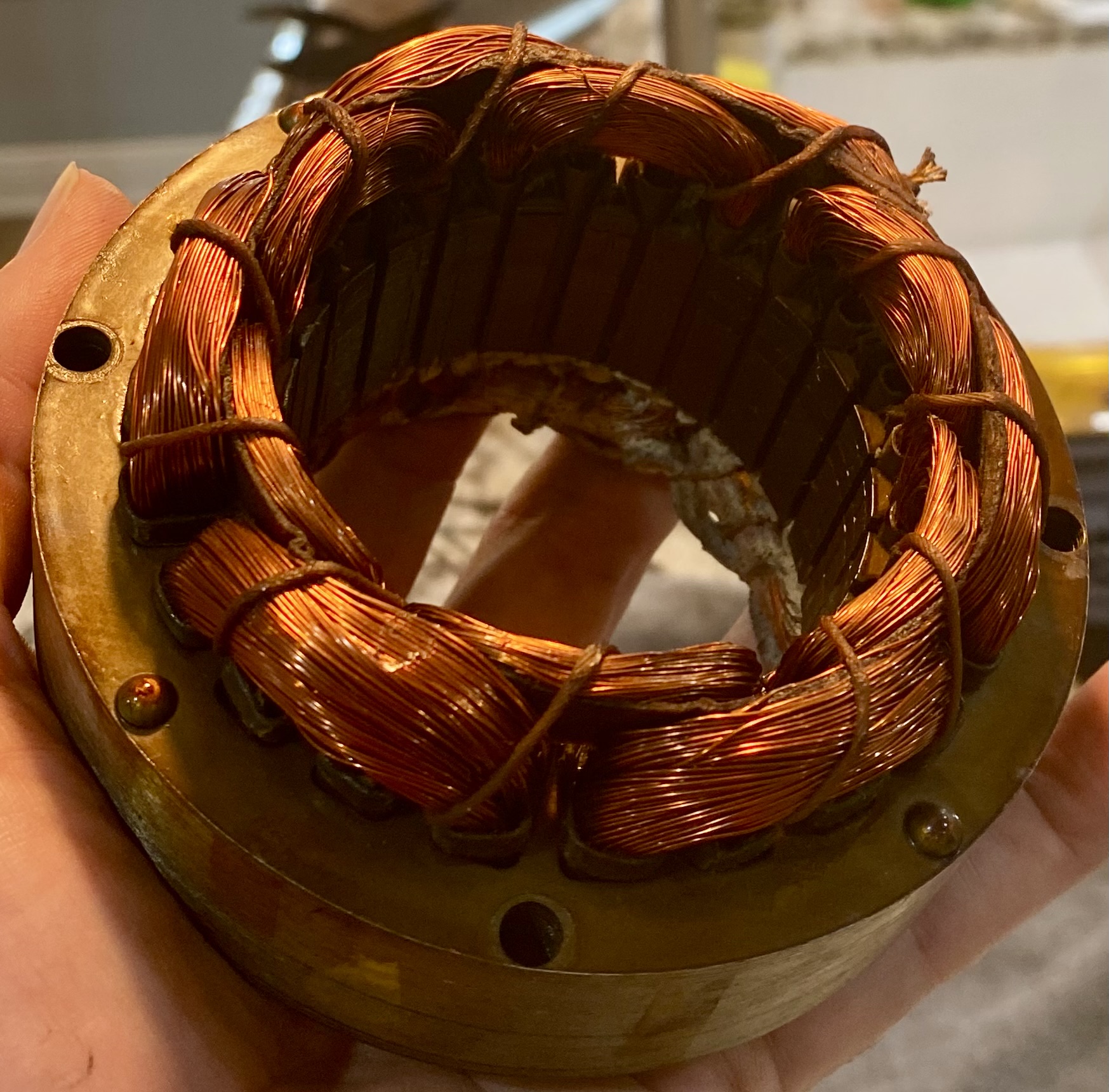
Motor & Stator Work

Inspection, cleaning, continuity testing, insulation assessment and hand rewinding when a failed winding truly requires it.

Head Wire & Cord

Replacement of brittle or unsafe wiring with carefully routed cloth-covered wire and appropriate strain relief while preserving period appearance.

Mechanical Overhaul

Bearing and shaft inspection, lubrication system service, oscillator repair, gearbox cleaning, switch service and careful blade balancing.

Finish & Preservation

Conservative cleaning, paint stabilization, brass care, wax protection and refinishing when preservation alone will not return the fan to a presentable state.

Live Workshop Board

See What Is On The Bench

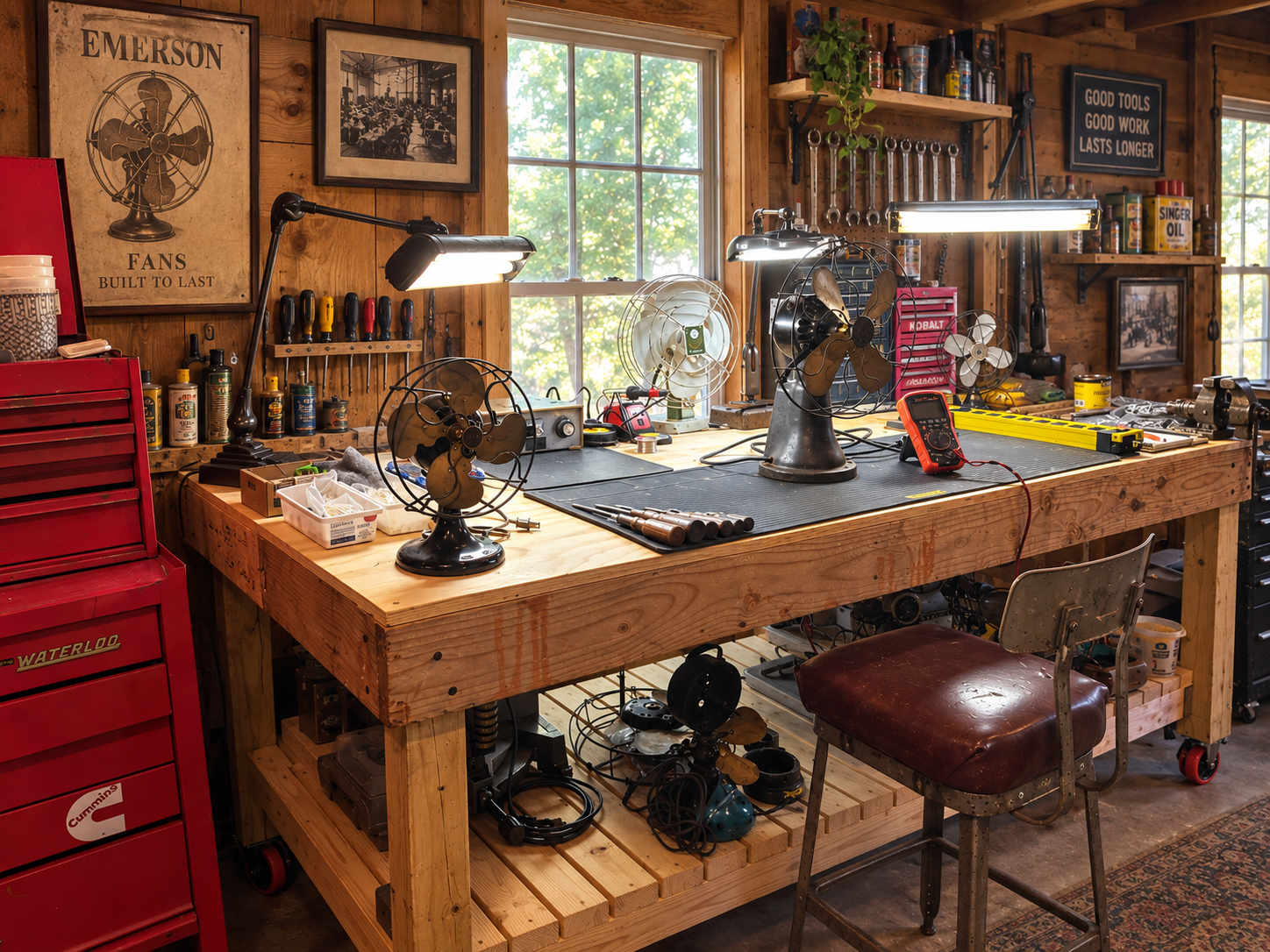
Follow current arrivals, active repairs, work in progress and recently completed fan restorations from the shop.
Open The Bench Board →
Restoration Process

From Arrival to Final Test

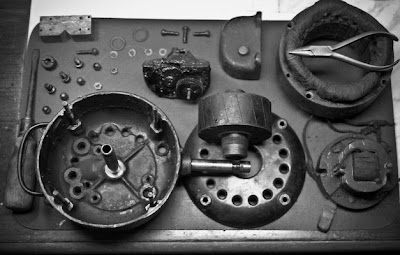
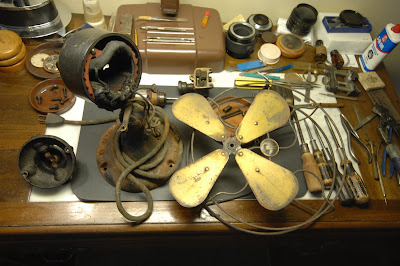
Plate B • Tear-Down
Top-down view of a vintage workbench showing an antique fan completely disassembled for restoration.
Complete mechanical tear-down • Every part inspected, sorted and documented
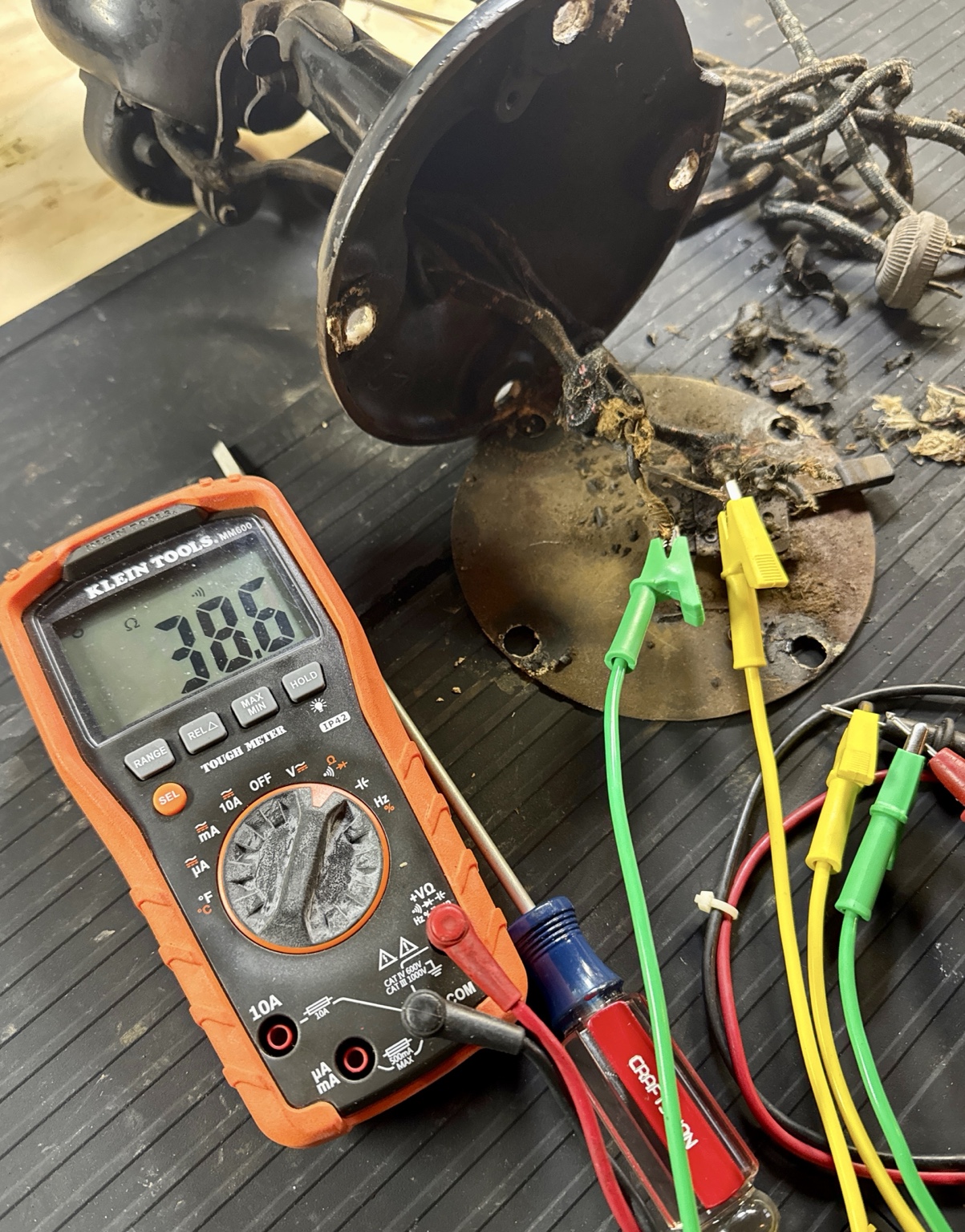
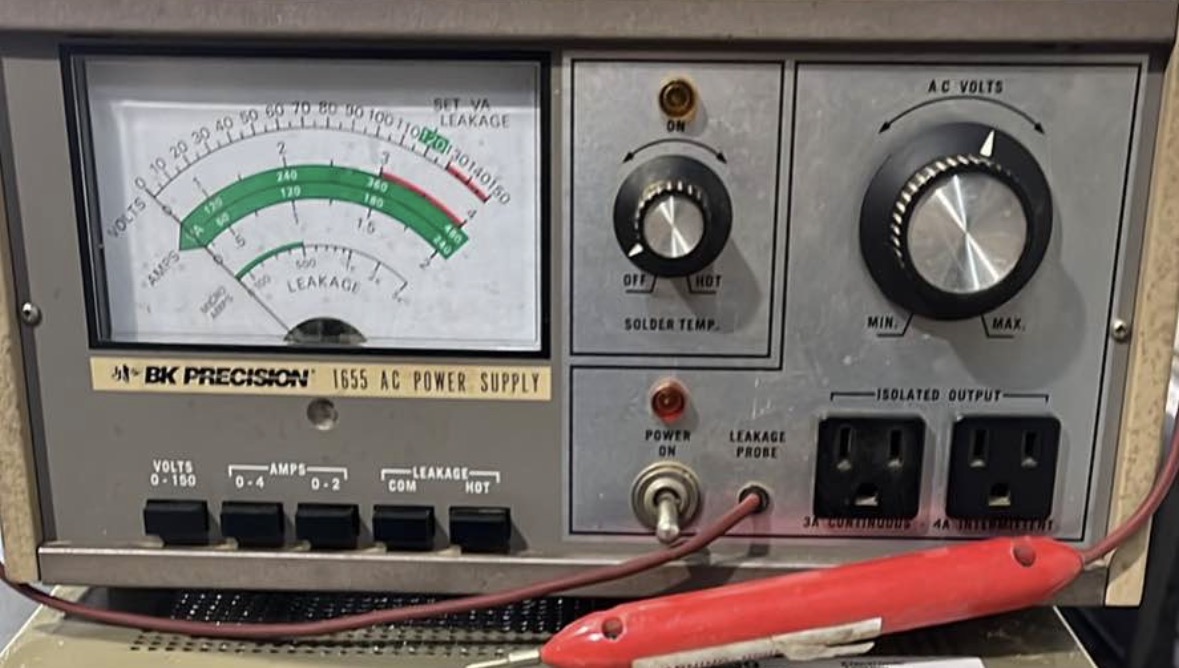
Plate C • Testing Station
Vintage testing station with fan motor, wire, meter and power supply on a dark wooden bench.
Electrical testing & commissioning • Bench verification before return to service

Document

Photograph condition, wiring, hardware, markings and assembly details before disassembly.

Diagnose

Check windings, switch, insulation, bearings, shaft, oscillator and power draw before deciding what needs intervention.

Repair

Correct electrical and mechanical faults with the least invasive method appropriate to the machine.

Restore

Clean, preserve or refinish components according to condition, originality and the owner's goals.

Test

Run the fan through its operating range, verify speed control and oscillator function, and watch temperature and current behavior.

Heritage

Machines From the First Electric Age

A Century of Makers

Early electric fans were built as durable machines, not disposable appliances. Their castings, windings, bearings, switches and mechanical oscillators reward patient diagnosis and careful workmanship.

The workshop welcomes many American and European makes, including examples from:

  • Emerson
  • General Electric
  • Westinghouse
  • Robbins & Myers
  • Vornado
  • Hunter
  • Diehl
  • Century
  • Kenmore
  • Polar Cub

Maker names are used for identification only. AntiqueFanRepair.com is not affiliated with or endorsed by these manufacturers.
Originality MattersExisting finishes, hardware, tags, wiring paths and mechanical details are documented before work begins.
Function Matters TooA display piece and a daily runner may call for different restoration decisions. Safety and intended use are part of the conversation.
Patina Is Not DamageAge can be evidence. Brass does not automatically need to shine, and every casting does not need fresh paint.
No Mystery RepairsThe work should make mechanical sense. Diagnosis comes before replacement, and restoration comes after understanding the failure.
From the Workbench

Real Fans. Real Restoration Work.

These photographs below show the actual work: worn machines as they arrived, disassembly on the bench, and the finished fans after repair and restoration.
BeforeAntique brass-blade fan before restoration, showing age, oxidation and worn finish.
AfterRestored antique brass-blade fan with polished guard, blades and renewed black base.

Restoration Case No. 1

A tired early electric fan returned to a clean, coherent presentation while retaining the character of its original design.
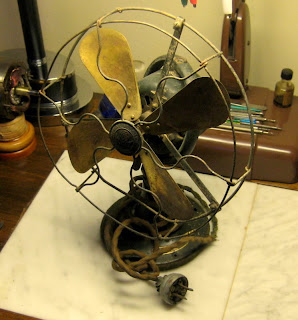
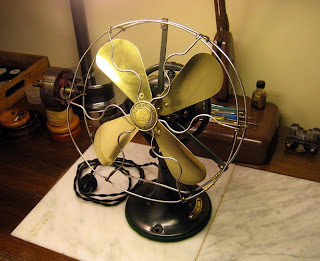
BeforeHeavily worn antique desk fan before restoration with aged cage, blades, wiring and finish.
AfterRestored antique fan with brass blades, bright guard and refinished dark base.

Restoration Case No. 2

Mechanical cleanup, cosmetic restoration and careful reassembly transform the machine without disguising its century-old engineering.
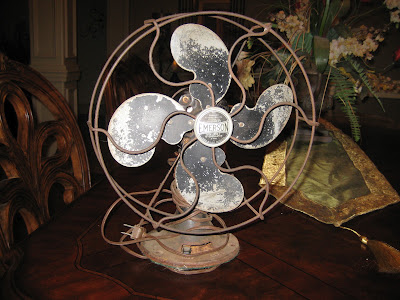
BeforeRusty Emerson antique fan before restoration with weathered blades, cage and base.
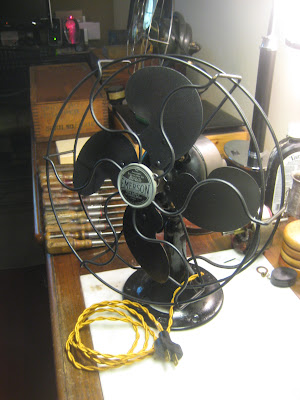
AfterRestored Emerson antique fan with renewed black finish, clean guard, blades and cloth-covered cord.

Restoration Case No. 3

From heavily weathered survivor to a handsome working fan, with the finished machine still unmistakably rooted in its original era.
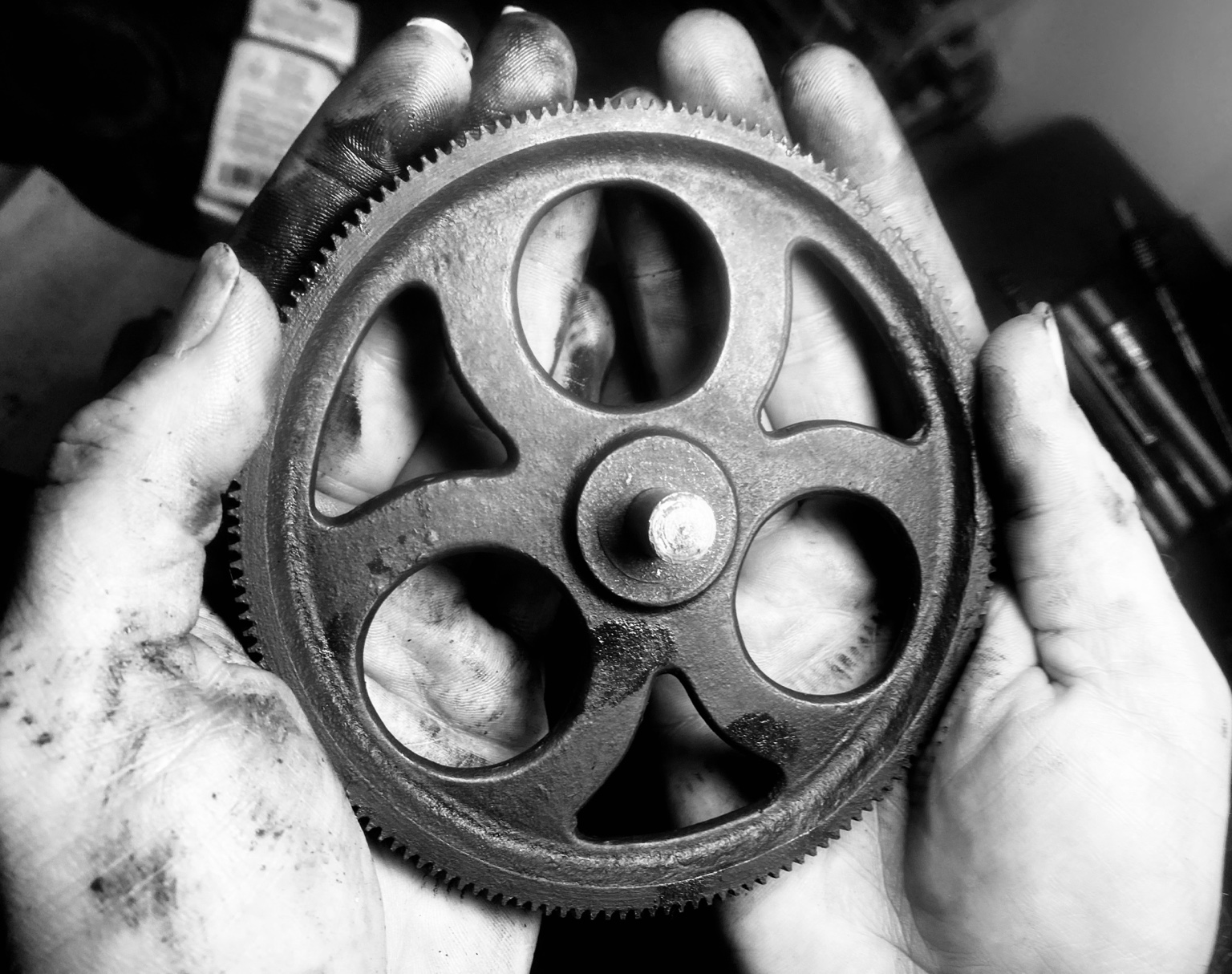
Black-and-white photograph of a disassembled antique fan laid out on the workbench.
Actual bench photograph • Complete component tear-down
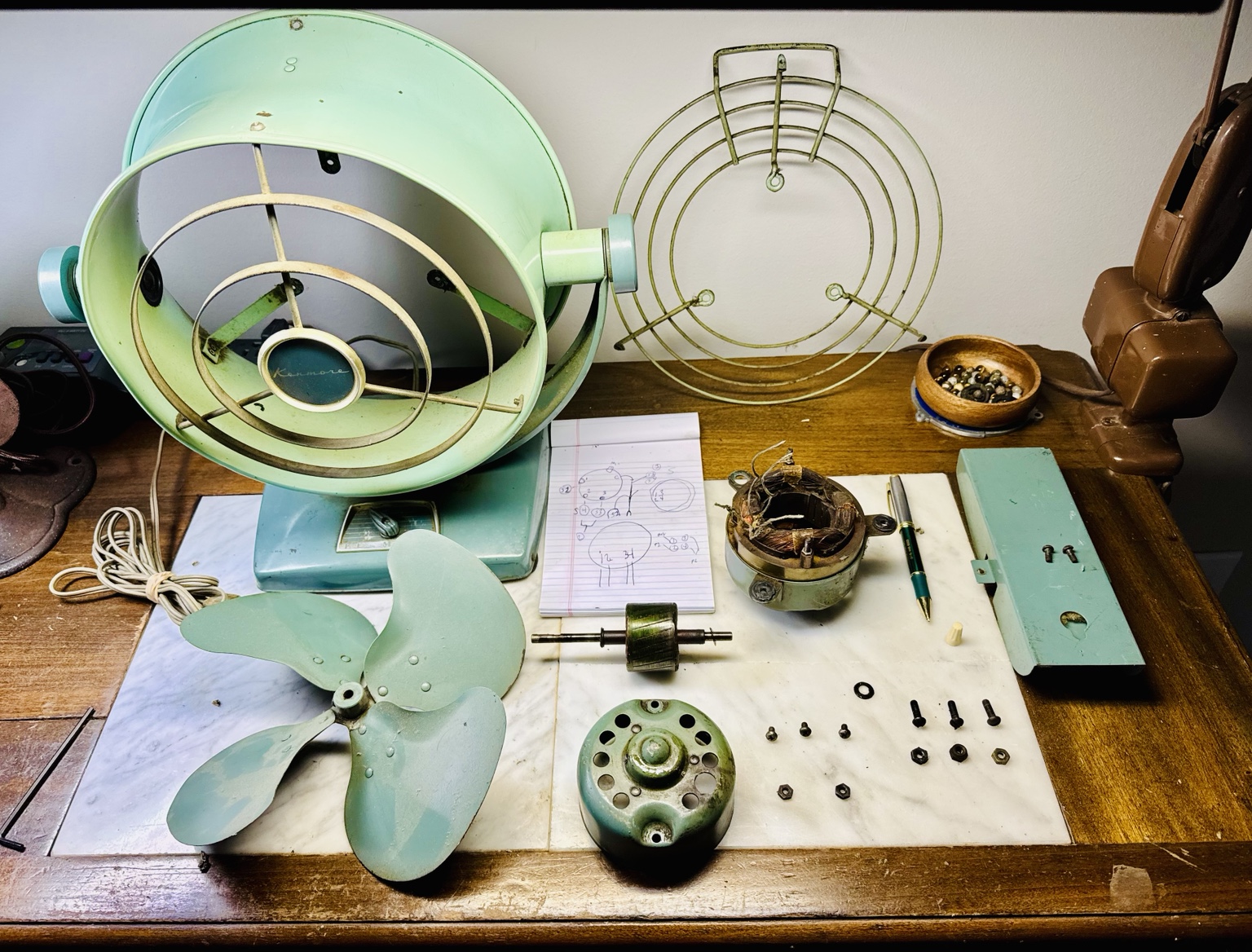
Color photograph of an antique fan disassembled on a workbench with motor, guard, blades and hand tools.
Actual bench photograph • Parts, motor, guard and wiring under inspection
The Parts Counter

Fans & Parts For Sale

The workshop shelf occasionally holds restored runners, project fans and useful original parts. Inventory changes as machines arrive, are restored, or find new homes.

Restored & Running Fans

Completed fans offered with condition notes, operating status and clear photographs.

Project & As-Found Fans

Original machines for collectors and restorers who prefer to do the bench work themselves.

Parts & Components

Guards, blades, switches, motors, bases, hardware and other useful vintage components when available.

Workshop Intake

Start a Repair Request

Tell the workshop what has arrived on your bench. You do not need to know every technical detail. A maker, a few photographs and a good description of what the fan is doing are enough to begin.
Your work-order request was sent successfully. The workshop will review the details and photographs and reply by email.
I • Owner Information
II • The Fan
What is the fan doing?
III • What Would You Like Done?
What Work Are You Interested In? (Select all that apply)
Finish Preference
IV • Photographs
Best views: complete front, rear, base/switch area, motor/data tag and any damaged area. JPG, PNG or WEBP. Up to 4 MB each, 12 MB total.
Workshop Standards

Bench Work, Not Assembly-Line Work

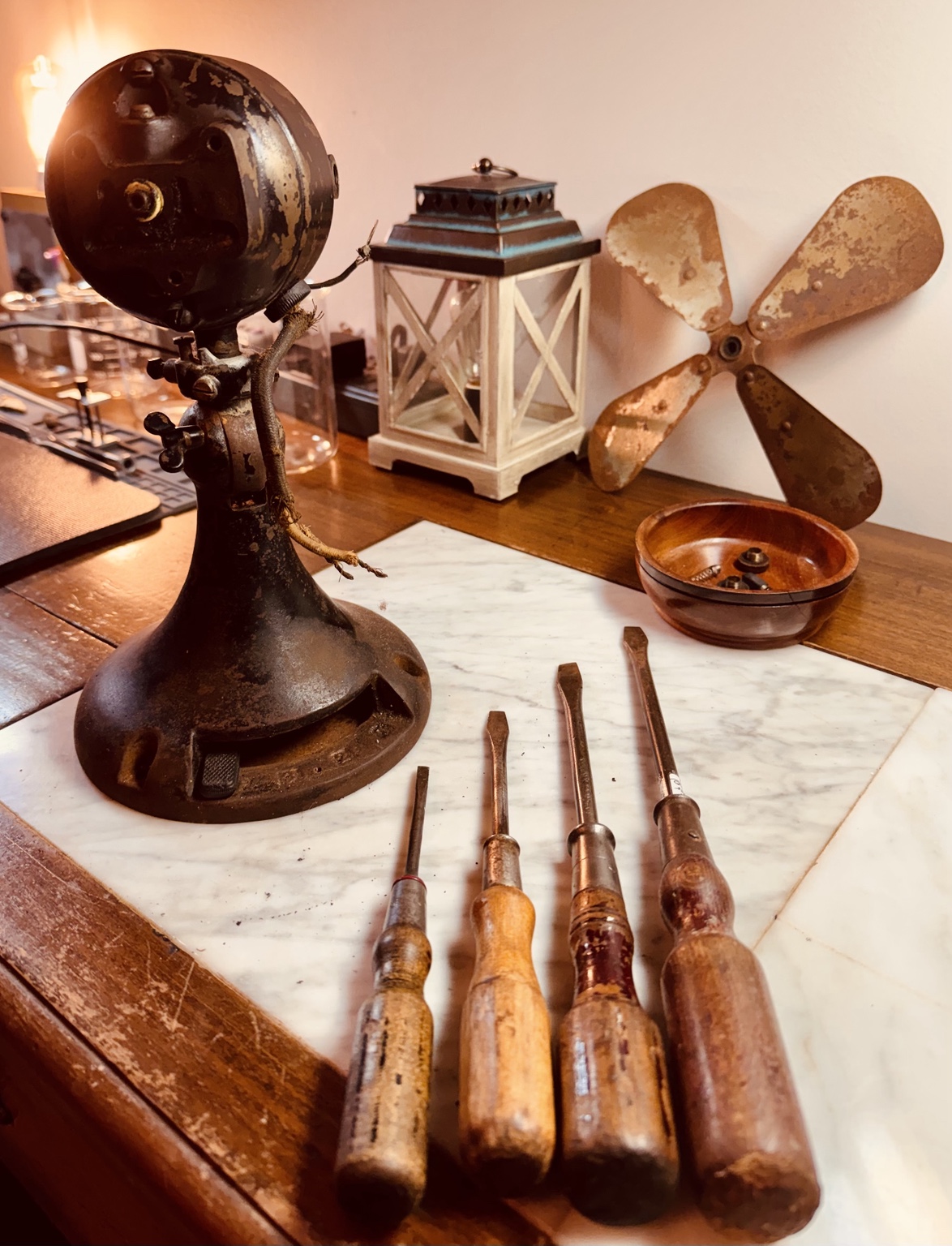
Workshop Interior
Antique fan workshop bench with warm Edison light, shelves of parts and test gear.
We take your restoration in our hands - A true preservation of History itself.
Reference Plate
Overhead layout of antique fan restoration parts on a dark bench.
Old Bench Fan layout
Reference Plate
Winding bench with copper wire, stator and open technical notebook.
Professional bench test equipment provide safe, efficient & world-class work

What Gets Checked

  • Power cord and head wire condition
  • Switch contacts and speed-control components
  • Stator and armature continuity where applicable
  • Insulation condition and unintended chassis continuity
  • Shaft wear, end play and bearing condition
  • Lubrication system, oil ports and wicks
  • Oscillator gearbox, linkage and adjustment
  • Blade alignment, balance and guard clearance
  • Operating current, heat, sound and speed behavior
Have an old fan on the bench?

Tell the workshop what you have.

Send the maker, model if known, a short description of the problem, and several clear photographs. Include a photo of the data plate or motor tag whenever possible.

Direct enquiries info@antiquefanrepair.com
Photos of the front, rear, base, switch area and identification tag are especially useful.